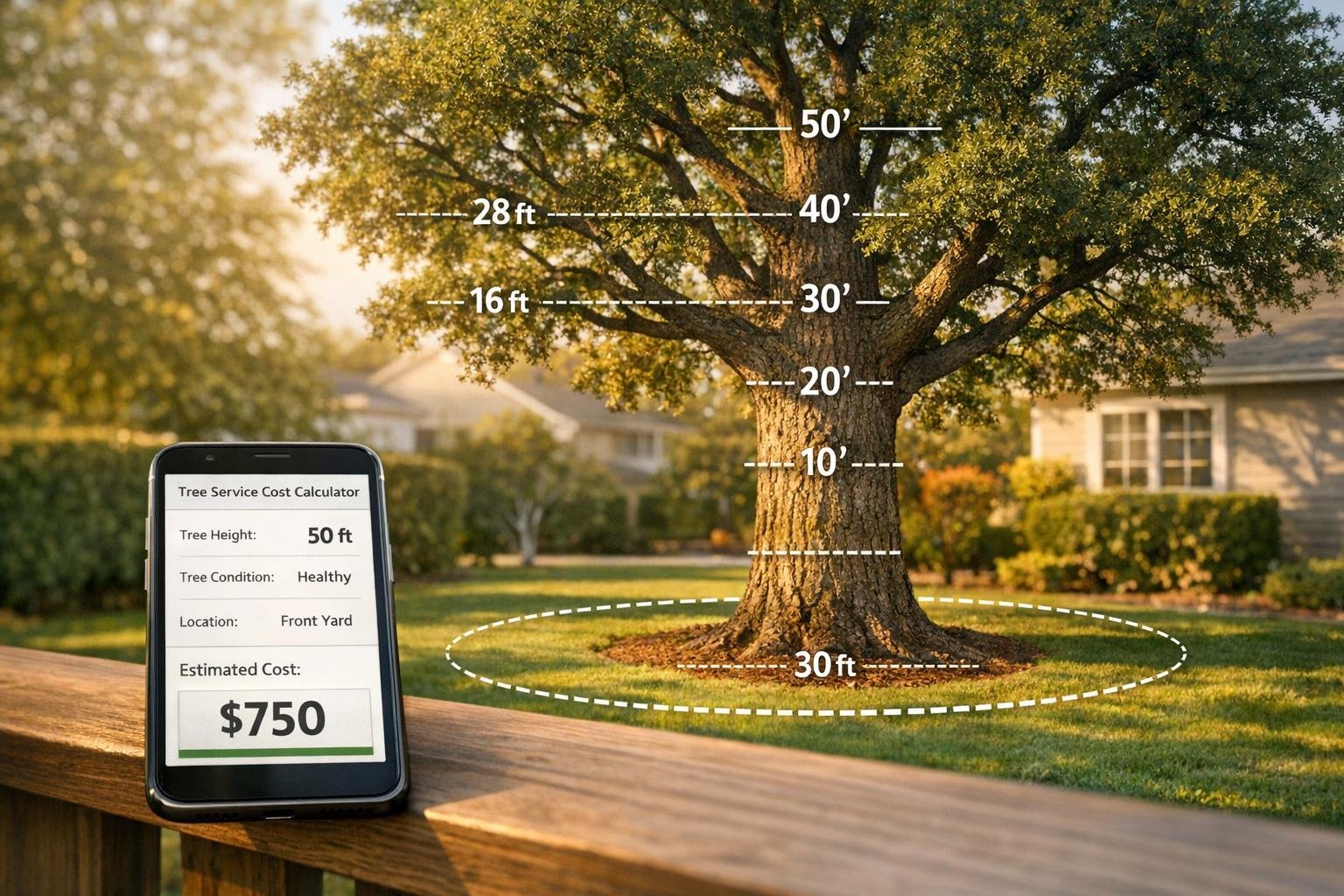
Understanding Tree Care Costs with Our Calculator
When it comes to maintaining your property, budgeting for tree services can feel like a shot in the dark. Whether you’re dealing with an overgrown oak or a hazardous dead pine, knowing what to expect price-wise is crucial for homeowners and property managers alike. That’s where a reliable estimation tool comes in handy, helping you plan without the stress of surprise expenses.
Why Tree Service Pricing Varies
Several factors influence the cost of tree maintenance. The height of the tree is a major one—smaller trees under 20 feet are far less expensive to handle than towering giants over 40 feet. Then there’s the state of the tree; a healthy one might just need a trim, while a damaged or dying trunk could require extra care or full removal. Service type matters too, with options like pruning, complete takedown, or stump grinding each carrying different base rates. Even your location can shift the final bill due to regional labor differences.
Plan Ahead with Confidence
Using a tool to estimate tree care expenses lets you take control. You’ll get a breakdown of costs tailored to your specific situation, from base fees to adjustments for size or condition. It’s a practical way to prepare for what’s ahead, ensuring your yard stays safe and beautiful without breaking the bank.
FAQs
How accurate are the cost estimates from this calculator?
Our calculator provides a solid ballpark figure based on industry-standard base costs and adjustments for tree height and condition. We use multipliers like 1.5x for taller trees or 1.2x for damaged ones to reflect real-world pricing trends. Regional adjustments are included where possible, though they’re limited by available data. For an exact quote, I’d recommend reaching out to local tree service providers, but this tool gives you a great starting point to plan your budget.
Why does tree height or condition affect the cost so much?
Tree height and condition play a big role in the effort and risk involved. Taller trees—say, over 40 feet—often require specialized equipment or more time, so costs can double compared to smaller ones. A damaged or dead tree might be unstable, increasing safety concerns and labor, which is why we bump up the price with a modifier. It’s all about reflecting the real challenges arborists face on the job.
What if I don’t know my tree’s exact height or condition?
No worries at all! If you’re unsure about the height or condition, just pick the option that seems closest based on what you can see. Our tool is built to handle incomplete inputs by using default values or prompting you to fill in missing info. You’ll still get a useful estimate, and you can always tweak the details later for a more precise result. It’s designed to be flexible for everyone.